


10 Products
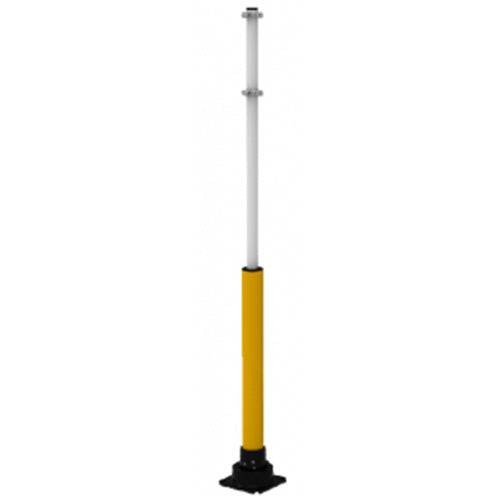
How to Choose Rebounding Bollards
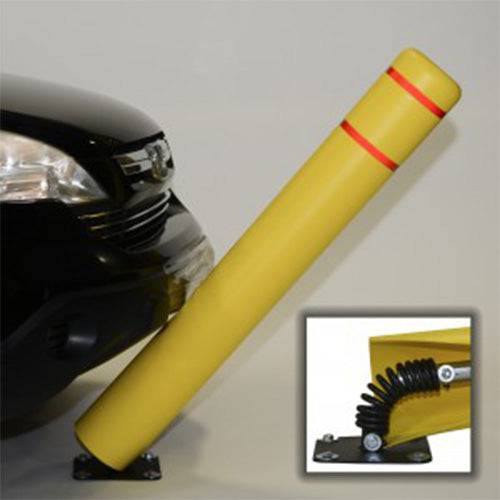
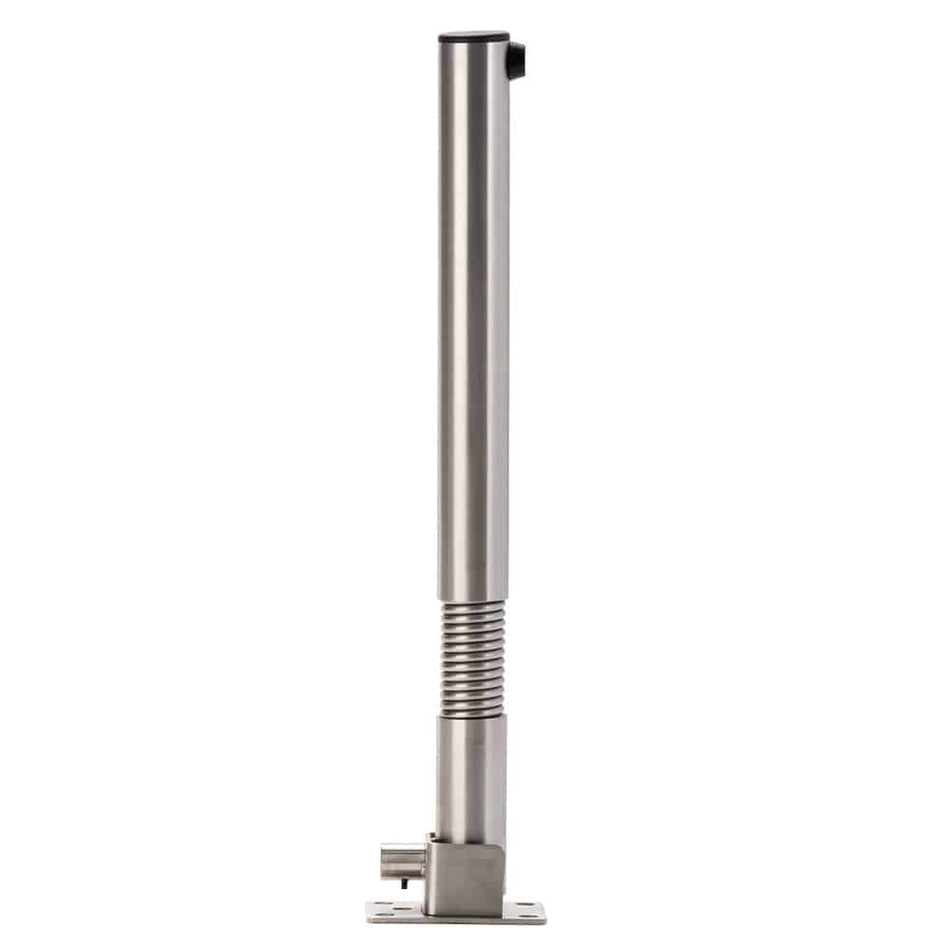
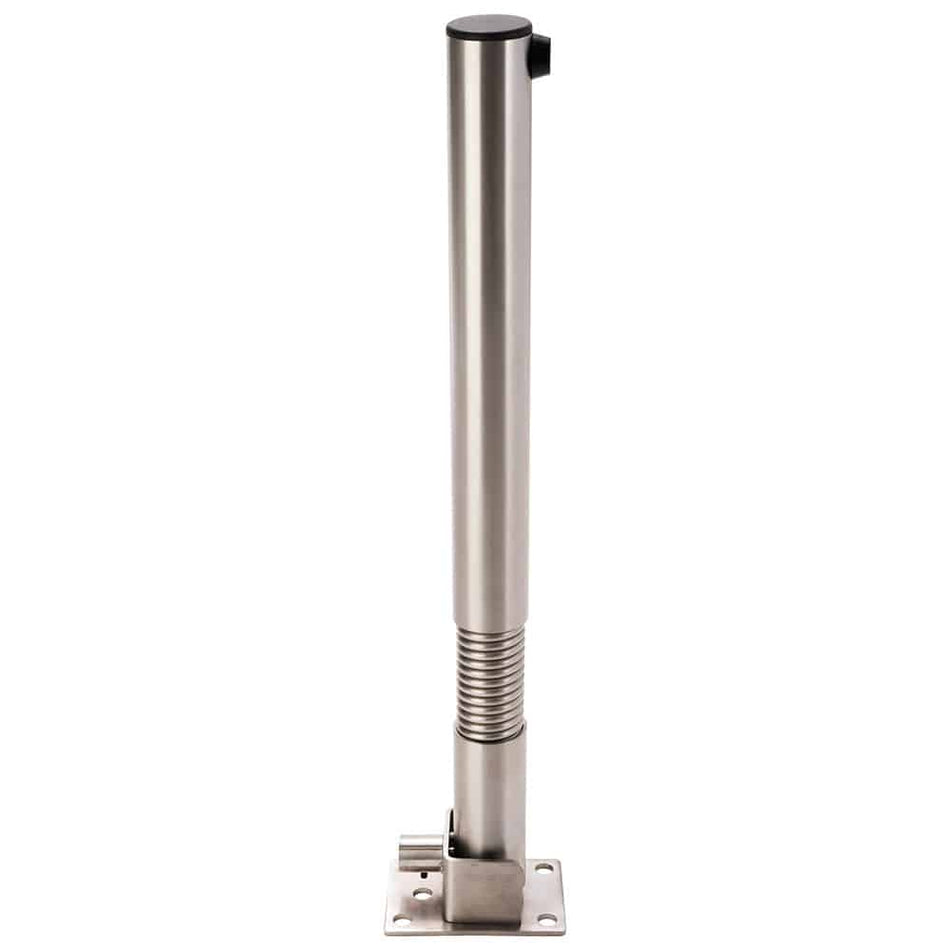
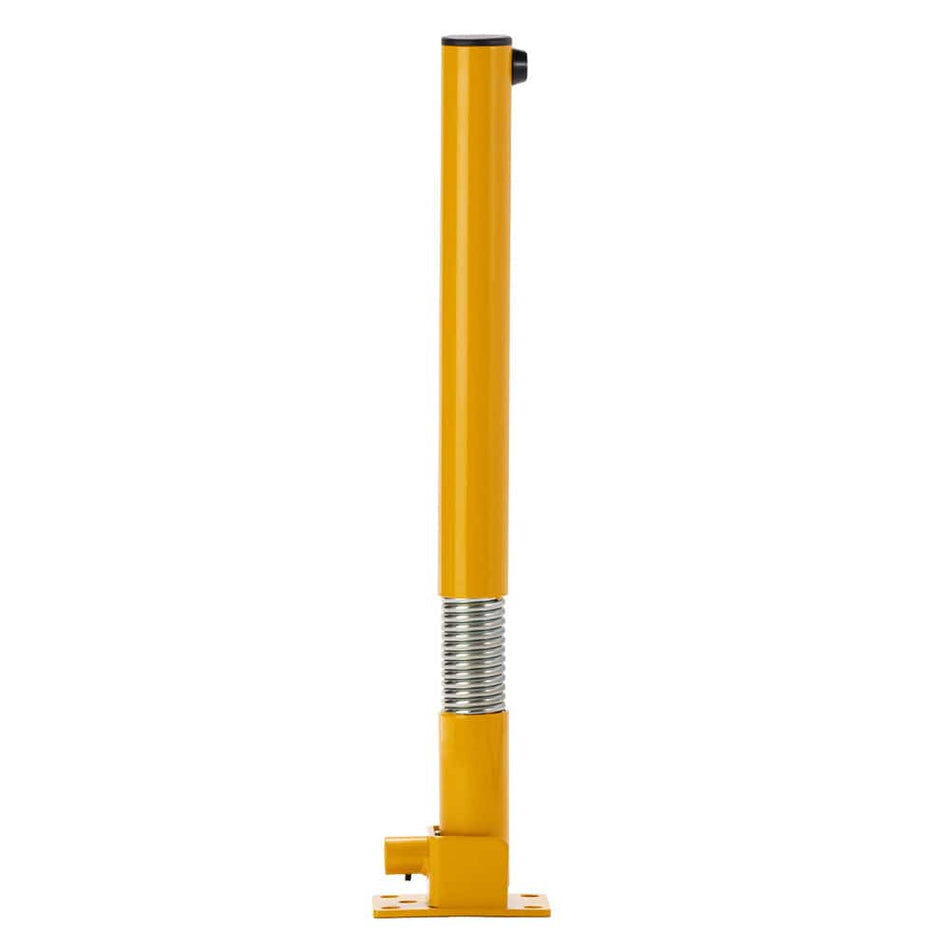
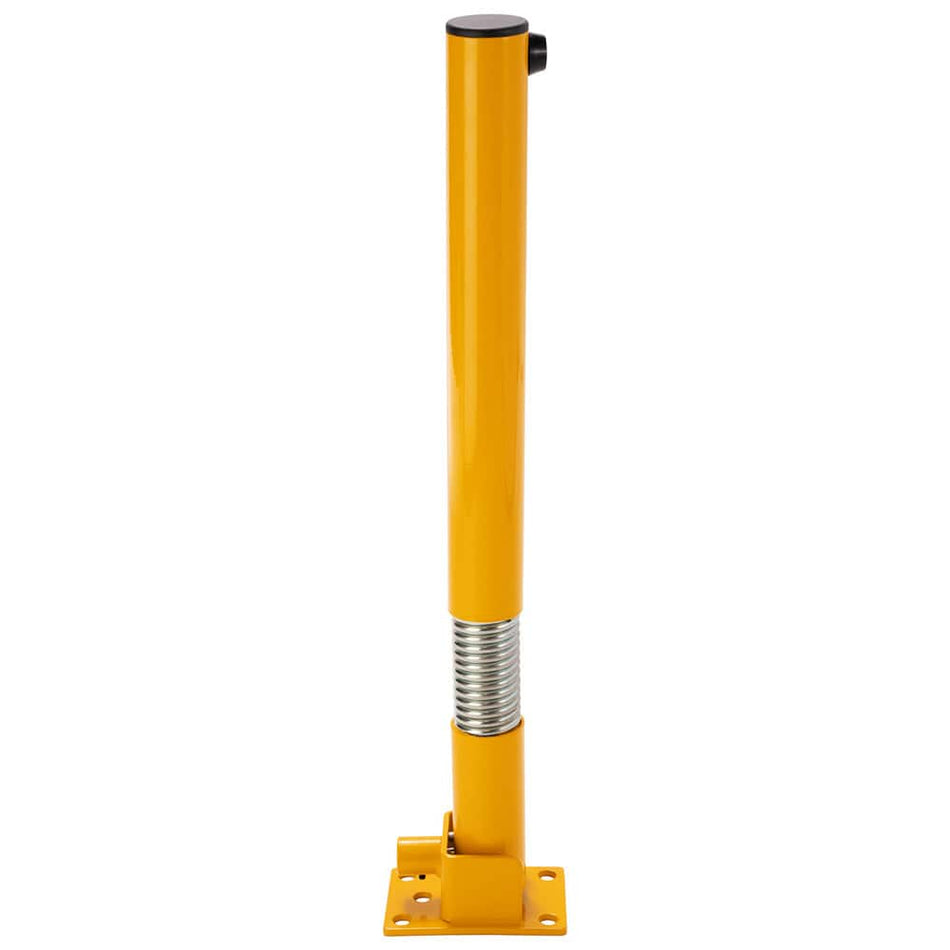
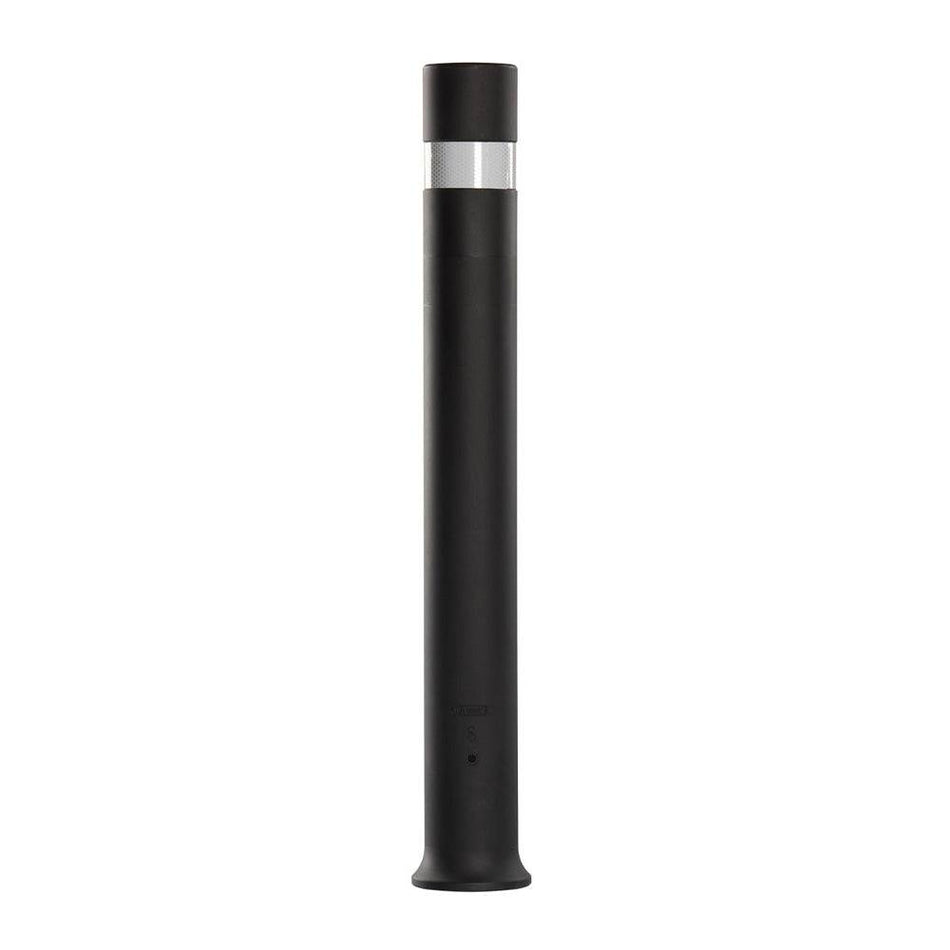
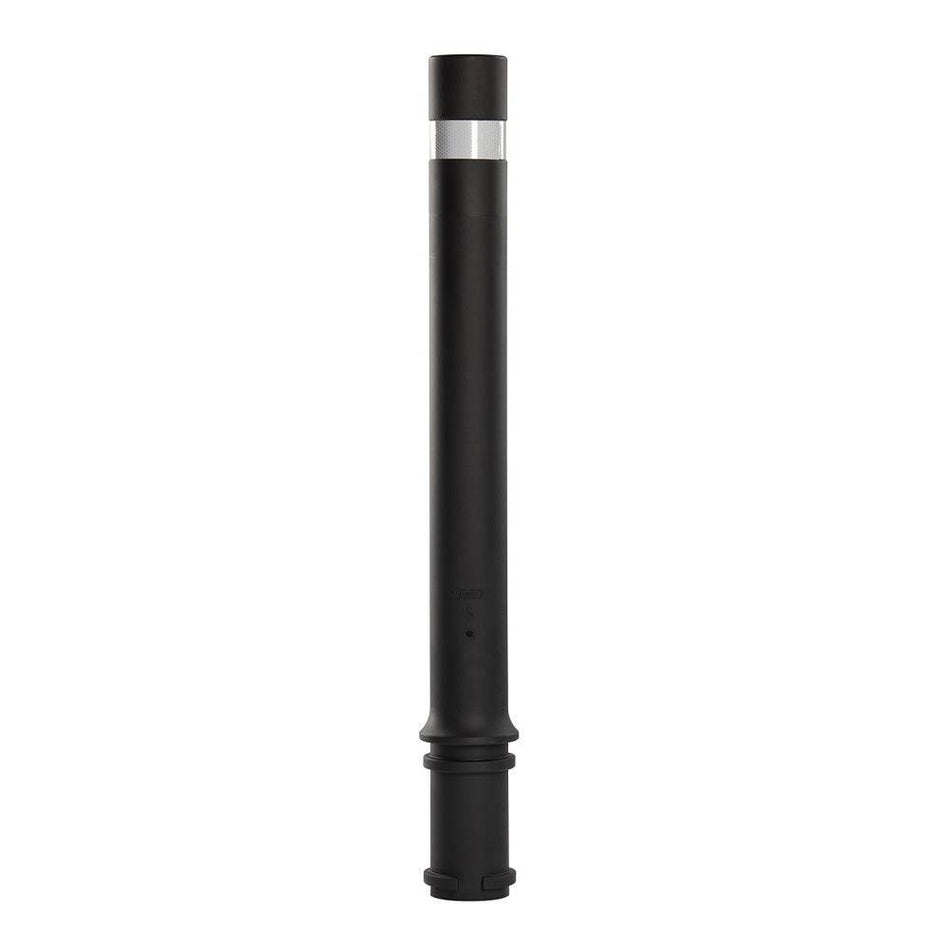
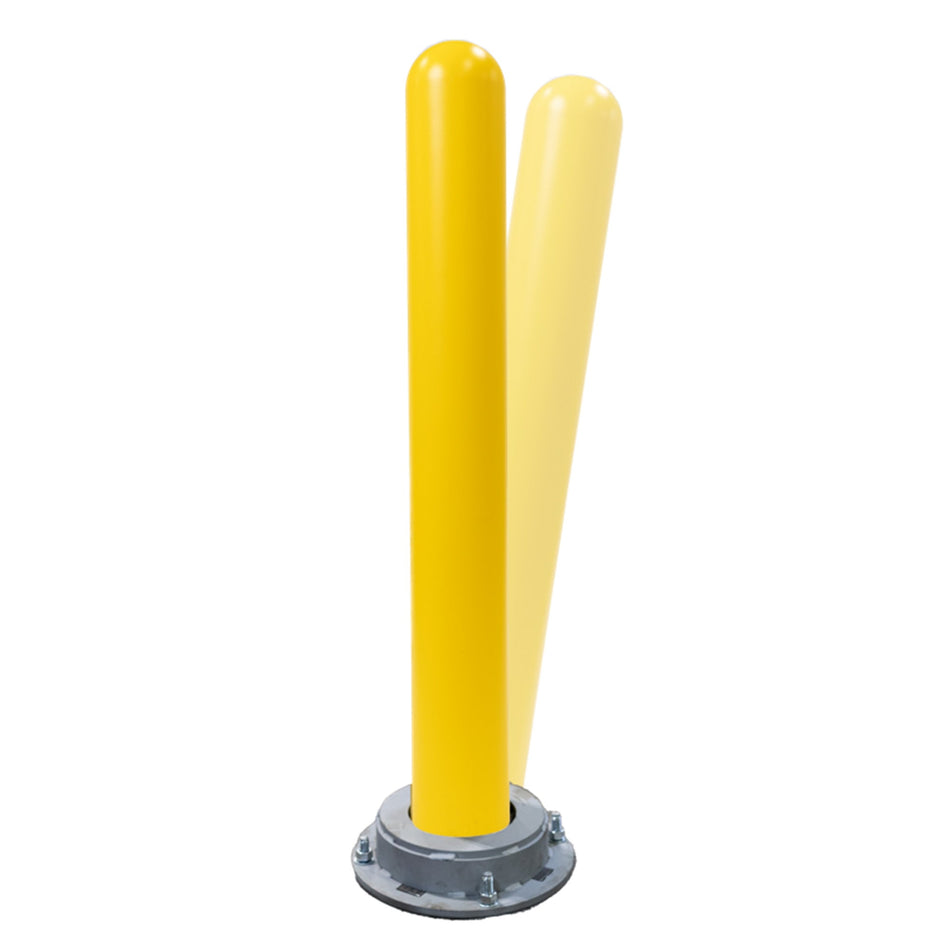
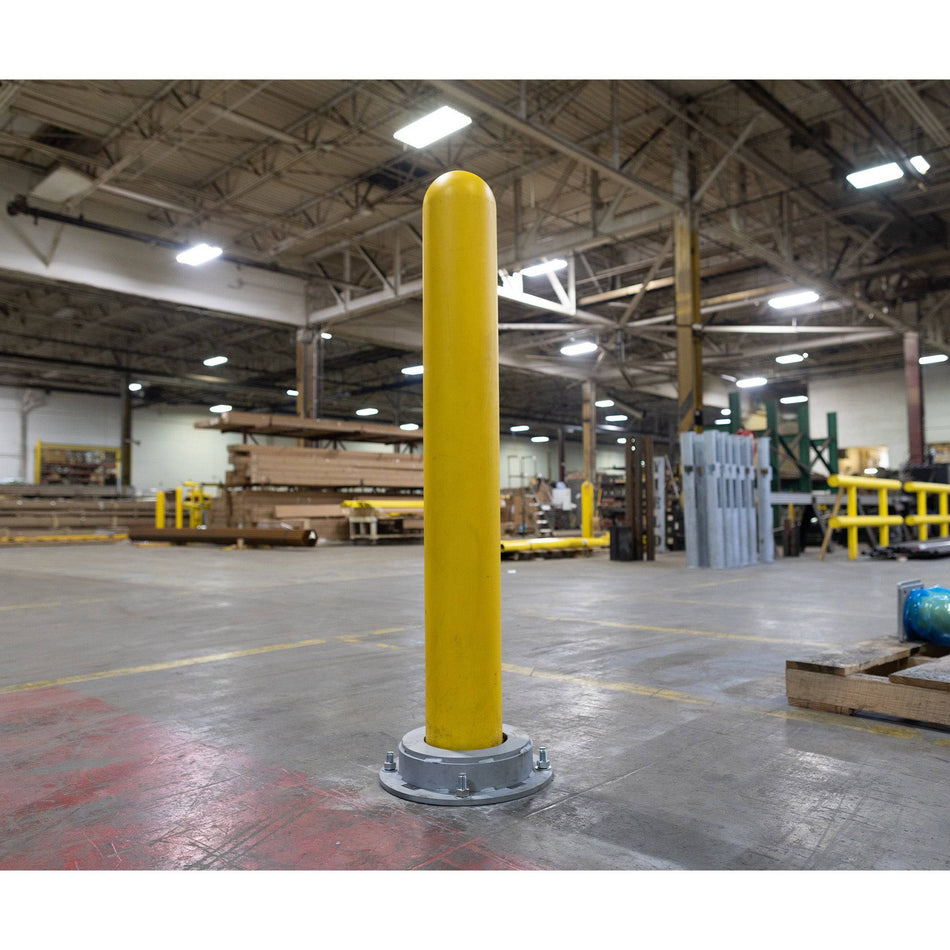
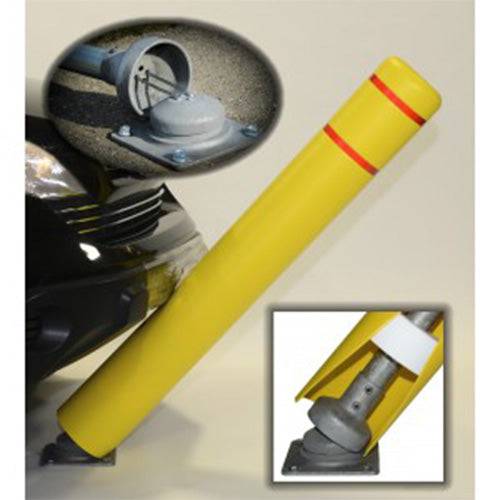
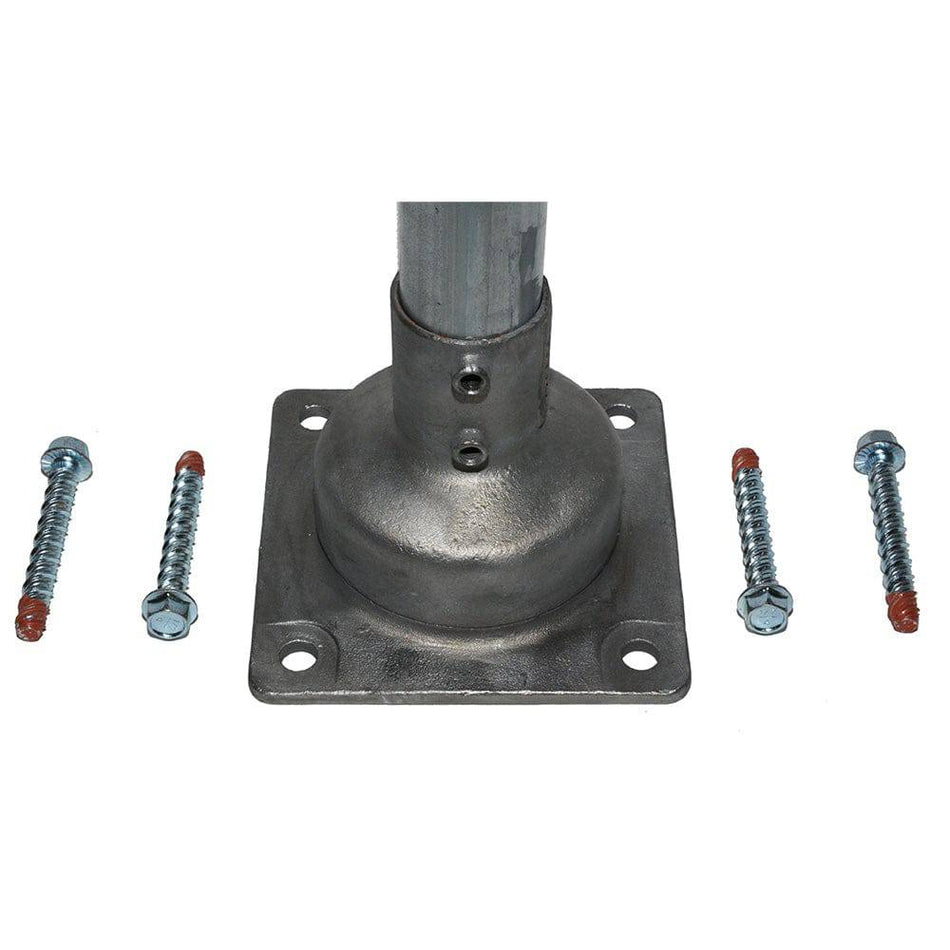
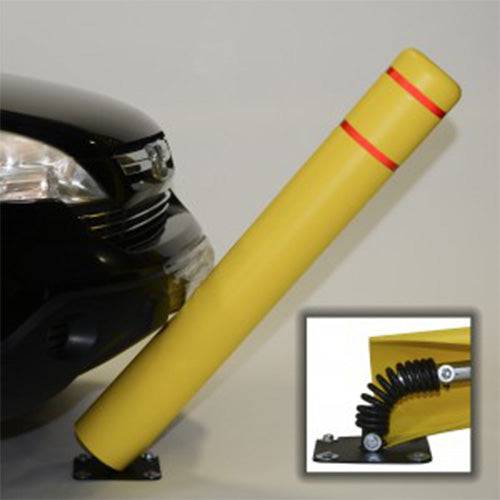
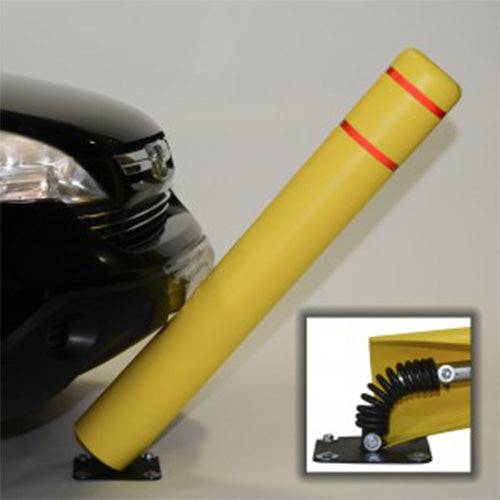
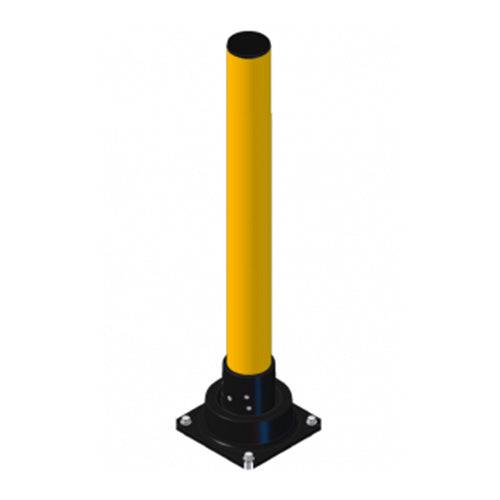
Choosing the right rebounding bollard depends on traffic conditions, visibility requirements, installation location, and the level of impact exposure expected. Rebounding bollards are commonly used in areas where vehicles may occasionally make contact because they are designed to flex, absorb impact, and return to their original upright position.
These bollards help reduce damage to both vehicles and surrounding property while maintaining clear traffic guidance and perimeter separation. Rebounding bollards are commonly installed in parking lots, parking garages, loading docks, warehouses, commercial properties, pedestrian zones, and traffic control areas where visibility and durability are important.
Common Rebounding Bollard Applications
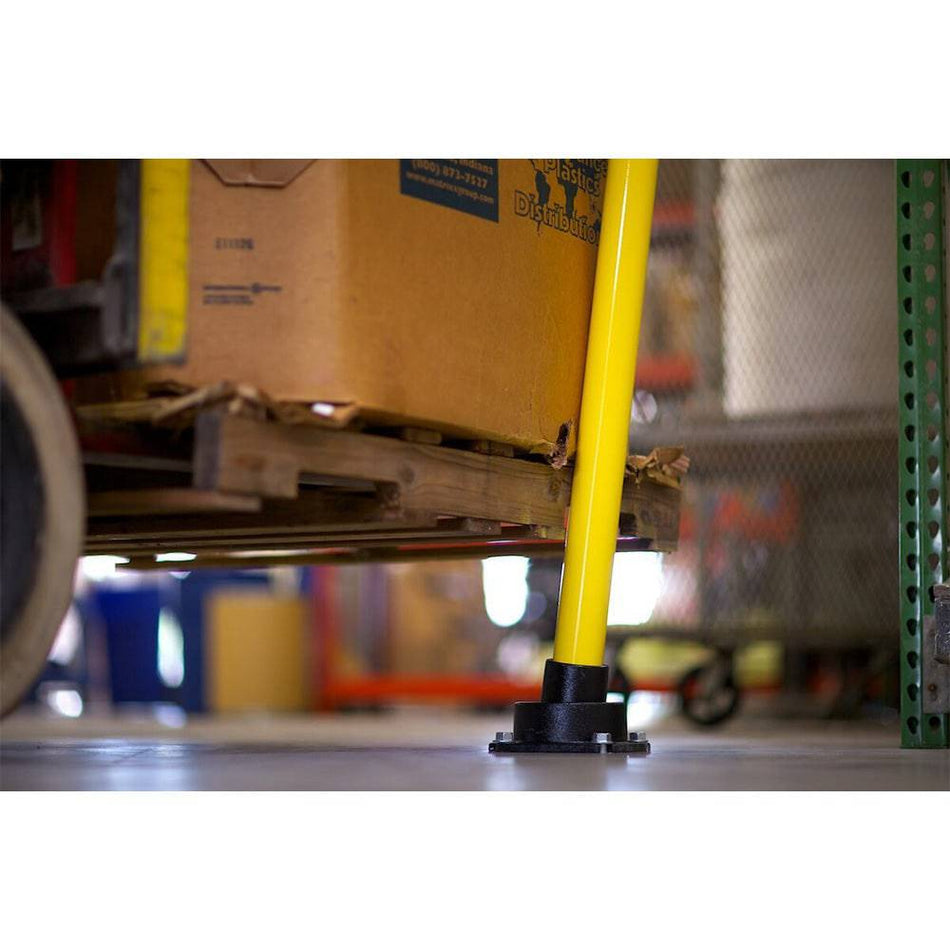
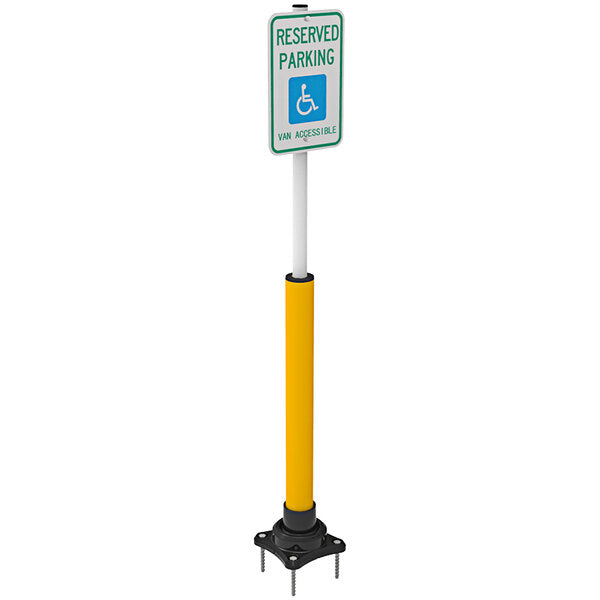
Rebounding bollards are commonly used in parking facilities, loading areas, traffic lanes, warehouses, pedestrian walkways, commercial properties, and vehicle access points. They help improve traffic flow, visibility, pedestrian safety, and protection against accidental vehicle contact.
Frequently Asked Questions
What are rebounding bollards used for?
Rebounding bollards are used for traffic control, parking management, pedestrian safety, and vehicle guidance in areas where occasional impacts or contact may occur.
Do rebounding bollards return to their original position after impact?
Yes. Rebounding bollards are designed to flex or absorb impact from minor vehicle contact and then return to their original upright position afterward.
Where are rebounding bollards commonly installed?
Rebounding bollards are commonly installed in parking lots, parking garages, loading docks, warehouses, pedestrian areas, traffic lanes, and commercial properties where visibility and traffic management are important.
What is the difference between rebounding and fixed bollards?
Rebounding bollards are designed to flex during impact and reduce damage, while fixed bollards are rigid barriers designed for permanent perimeter protection and higher impact resistance.
Are rebounding bollards good for parking lots?
Yes. Rebounding bollards are commonly used in parking lots and garages because they improve visibility, guide vehicle traffic, and help reduce damage caused by accidental low-speed impacts.